Energy Efficiency Mastery: Advanced Home Optimization

Introduction
While basic energy efficiency measures like LED bulbs and programmable thermostats provide modest savings, true energy mastery requires a systematic approach that addresses every aspect of your home's energy use. Advanced optimization can reduce energy consumption by 50-80% while improving comfort, air quality, and home value.
This comprehensive guide explores advanced energy efficiency strategies that go far beyond basic improvements. We'll examine deep energy retrofits, building envelope optimization, advanced HVAC systems, smart home integration, and energy monitoring that work together to create ultra-efficient homes.
What You'll Learn:
- Deep energy retrofits and building envelope optimization
- Advanced HVAC systems and heat pump technology
- Smart home integration and energy management systems
- Energy monitoring and optimization strategies
- Cost-benefit analysis and implementation prioritization
Building Envelope Optimization
The building envelope�your home's exterior surfaces including walls, roof, windows, and foundation�determines how much energy enters and escapes. Advanced envelope optimization can reduce heating and cooling loads by 40-60% while dramatically improving comfort.
Advanced Insulation Strategies
Modern insulation goes far beyond basic fiberglass batts to include spray foam, rigid foam boards, and advanced materials like aerogel and vacuum insulated panels. Spray foam provides superior air sealing and fills cavities completely, while rigid foam offers continuous insulation with high R-values per inch. Advanced materials like aerogel provide exceptional insulation in thin profiles for space-constrained applications.
Air Sealing and Infiltration Control
Air leakage accounts for 25-40% of heating and cooling energy loss. Advanced air sealing uses blower door testing to identify leaks, followed by comprehensive sealing using caulks, sealants, and specialized materials like spray foam and weatherstripping. Critical areas include penetrations, band joists, can lights, and duct connections.
High-Performance Windows and Doors
Advanced windows feature triple glazing, low-e coatings, inert gas fills, and warm-edge spacers that achieve U-factors below 0.15. Dynamic glazing automatically tints based on sunlight intensity, while electrochromic glass allows user-controlled tinting. Proper installation with continuous sealing and insulation is crucial for performance.

Try It Yourself: Building Envelope Calculator
Thermal Bridging Elimination
Thermal bridges are conductive elements that bypass insulation, significantly reducing overall R-value. Advanced construction uses continuous insulation, thermal breaks, and structural insulated panels to eliminate bridging. Exterior insulation, insulated concrete forms, and structural insulated panels create continuous thermal barriers.
Key Takeaways:
- Building envelope optimization can reduce heating/cooling loads by 40-60%
- Air sealing often provides the fastest return on investment
- Continuous insulation and thermal breaks eliminate energy losses
Advanced HVAC Systems
Modern heating, ventilation, and air conditioning (HVAC) systems achieve 300-600% efficiency through advanced heat pump technology, variable speed operation, and smart controls. These systems can reduce heating and cooling energy by 50-70% compared to standard equipment.
Heat Pump Technology
Heat pumps move heat rather than create it, achieving remarkable efficiency. Air-source heat pumps work well to -13�F, while ground-source (geothermal) systems maintain efficiency in extreme cold. Cold-climate heat pumps use variable-speed compressors and enhanced defrosting to maintain performance in severe weather.
Variable-Speed and Modulating Systems
Traditional HVAC systems operate at full capacity or off, creating inefficiency. Variable-speed systems match output to exact load conditions, maintaining consistent comfort while using significantly less energy. Modulating furnaces and boilers adjust flame size in small increments for precise temperature control.
Heat Recovery Ventilation
Modern homes require controlled ventilation for air quality, but exhaust ventilation wastes heating/cooling energy. Heat recovery ventilators (HRVs) and energy recovery ventilators (ERVs) capture 70-90% of heat from exhaust air and transfer it to fresh incoming air. ERVs also transfer moisture, beneficial in humid climates.
Duct System Optimization
Duct losses can account for 30% of heating and cooling energy. Advanced duct systems use sealed, insulated ducts with proper sizing and minimal turns. Ductless mini-split systems eliminate duct losses entirely while providing zone control. Existing duct optimization includes sealing, insulation, and balancing.

Key Takeaways:
- Heat pumps achieve 300-600% efficiency compared to traditional systems
- Variable-speed operation matches output to actual load conditions
- Heat recovery ventilation maintains air quality without energy waste
Smart Home Energy Management
Smart home technology integrates and optimizes energy systems automatically, learning patterns and adjusting operations for maximum efficiency. These systems can reduce energy use by 15-25% while improving comfort and convenience.
Advanced Thermostat Systems
Smart thermostats go beyond simple programming to learn occupancy patterns, weather conditions, and system performance. Geofencing automatically adjusts settings based on occupant location, while integration with utility programs enables demand response participation. Multi-zone systems provide room-by-room control for optimal comfort and efficiency.
Energy Monitoring and Analytics
Comprehensive energy monitoring provides real-time usage data by circuit, appliance, and time of use. Advanced systems use machine learning to identify savings opportunities, detect anomalies, and provide personalized recommendations. Integration with smart plugs and appliances enables automated load shifting and optimization.
Automated Lighting and Shade Control
Smart lighting systems combine LED efficiency with occupancy sensing, daylight harvesting, and automated control. Automated shades optimize natural light while managing solar heat gain. Integration between lighting and shade systems creates balanced illumination while minimizing lighting and cooling loads.
Appliance and Device Management
Smart home hubs coordinate operation of major appliances to minimize peak demand and optimize energy use. Smart plugs and switches enable remote control and automation of existing devices. Advanced systems integrate with renewable energy and storage to optimize self-consumption and grid interaction.
Smart Energy Savings Calculator
Key Takeaways:
- Smart thermostats typically provide 10-15% heating/cooling savings
- Energy monitoring identifies hidden waste and optimization opportunities
- Integrated systems create compound savings through coordination
Energy Monitoring and Optimization
Detailed energy monitoring provides the foundation for continuous optimization and savings verification. Modern monitoring systems offer circuit-level detail, real-time analytics, and predictive insights that drive ongoing efficiency improvements.
Circuit-Level Monitoring
Circuit-level monitoring tracks energy use by individual circuits and appliances, providing detailed usage patterns and identification of high-consumption devices. Systems like Sense, Emporia Vue, and Neurio use machine learning to identify specific appliances and their operating patterns from aggregate electrical signatures.
Real-Time Analytics and Insights
Advanced monitoring platforms provide real-time dashboards, historical analysis, and actionable insights. Features include always-on power identification, usage comparison, anomaly detection, and personalized savings recommendations. Integration with weather data correlates usage with environmental conditions.
Baseline Establishment and Verification
Establish energy use baselines before and after improvements to verify savings and optimize strategies. Monitor for sufficient periods to account for seasonal variations and weather impacts. Use normalized data to compare efficiency improvements independent of weather conditions.
Continuous Commissioning
Implement ongoing commissioning processes to maintain optimal system performance over time. Regular calibration, filter changes, and maintenance ensure equipment operates at design efficiency. Automated alerts and diagnostics identify performance degradation before it significantly impacts energy use.

Key Takeaways:
- Circuit-level monitoring identifies specific savings opportunities
- Real-time analytics enable immediate optimization
- Baseline measurement verifies improvement effectiveness
Cost-Benefit Analysis and Prioritization
Strategic energy efficiency investments require careful cost-benefit analysis to maximize return on investment. Understanding savings potential, incentives, and implementation complexity helps prioritize improvements for optimal financial and environmental returns.
Return on Investment Calculation
Calculate simple payback period by dividing implementation cost by annual savings. For comprehensive analysis, consider net present value (NPV) and internal rate of return (IRR) to account for time value of money and investment lifetime. Factor in energy price inflation and maintenance costs for accurate projections.
Incentives and Rebates
Government and utility incentives significantly improve investment returns. Federal tax credits cover 30% of renewable energy and efficiency improvements through 2032. Many states offer additional incentives, while utilities provide rebates for specific equipment like heat pumps and insulation.
Implementation Prioritization
Prioritize improvements based on savings-to-investment ratio, implementation complexity, and occupant impact. Start with low-cost, high-impact measures like air sealing and thermostat programming before major investments. Consider sequencing improvements to maximize compound benefits.
Financing Options
Energy efficiency financing options include home equity loans, energy-efficient mortgages (EEMs), and property-assessed clean energy (PACE) financing. Some utilities offer on-bill financing that repays loans through energy bill savings. Power purchase agreements (PPAs) enable renewable energy installation with no upfront cost.
Energy Efficiency ROI Calculator
Key Takeaways:
- Incentives can reduce payback periods by 30-50%
- Prioritize high-savings, low-cost improvements first
- Comprehensive analysis considers lifetime costs and benefits
Putting It Into Practice
Your 5-Step Action Plan:
Conduct Energy Audit
Perform comprehensive energy audit including blower door test, insulation assessment, and HVAC evaluation. Establish baseline energy use patterns and identify major improvement opportunities.
Implement Building Envelope Improvements
Address air sealing and insulation first, as these provide highest return on investment. Focus on continuous insulation and thermal break elimination for maximum effectiveness.
Upgrade HVAC Systems
Replace aging HVAC equipment with high-efficiency heat pumps and variable-speed systems. Ensure proper sizing, installation, and ductwork optimization for maximum performance.
Install Smart Energy Management
Implement smart thermostat, energy monitoring, and automated controls. Integrate systems for coordinated optimization and maximum savings.
Monitor and Optimize Continuously
Establish ongoing monitoring and optimization processes. Regularly review performance data, identify new opportunities, and maintain systems for peak efficiency.
Tools and Resources:
- Home Energy Simulator - Model improvement scenarios
- Energy Savings Calculator - Calculate potential savings
- Energy Audit Form - Comprehensive assessment worksheet
- Home Energy Efficiency Guide - Complete upgrade manual
Start Your Energy Efficiency Journey Today
Advanced energy efficiency creates comfortable, healthy homes while dramatically reducing energy costs and environmental impact. Strategic improvements provide excellent returns while contributing to climate solutions.
This Week's Challenge:
Conduct a basic home energy audit and identify your top three energy efficiency improvement opportunities.
What: Complete home energy assessment and prioritize improvements
How: Use energy audit form and utility bills to identify savings opportunities
Impact: Take first step toward 50%+ energy reduction potential
Continue Learning
Related Articles:

Sustainable Home Design
Eco-friendly building materials and design principles for energy-efficient homes.

Sustainable Technology
Smart home technology and energy management systems for optimized living.
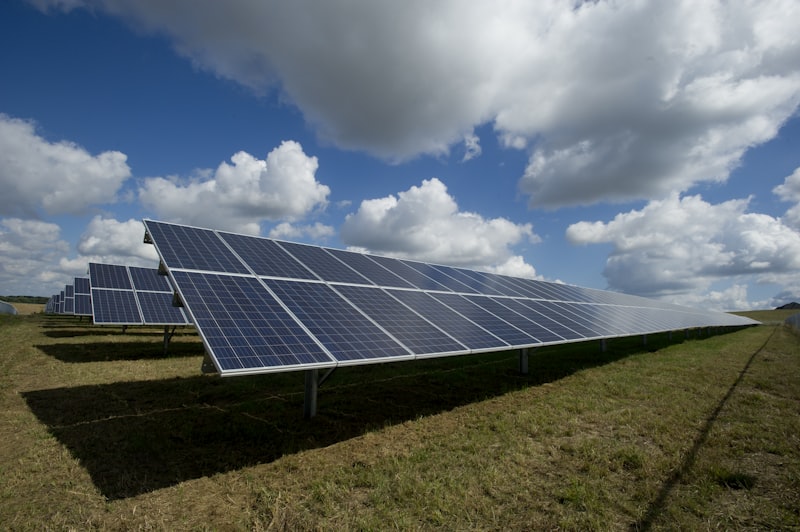
Renewable Energy at Home
Complete guide to home renewable energy systems and integration.