Circular Economy Principles in Daily Life: Beyond Recycling

Introduction
While recycling has become the go-to solution for environmentally conscious consumers, it represents only the final step in a much more powerful approach to sustainability: the circular economy. This revolutionary economic model eliminates waste entirely by keeping materials and products in continuous use, transforming how we produce, consume, and dispose of goods in our daily lives.
This comprehensive guide explores how you can implement circular economy principles in your everyday life, moving beyond simple recycling to embrace strategies that prevent waste at its source. We'll examine practical approaches for choosing products designed for longevity, supporting circular businesses, and creating systems that keep valuable materials circulating in our economy rather than ending up in landfills.
What You'll Learn:
- Understanding circular vs. linear economy models
- Practical strategies for implementing circular principles at home
- How to identify and support circular businesses
- Product lifecycle assessment and sustainable purchasing decisions
- Measuring your circular economy impact
Understanding Circular vs. Linear Economy
The traditional linear economy follows a "take-make-dispose" model that extracts resources, creates products, and discards them after use. In contrast, the circular economy designs waste out of the system entirely, keeping materials and products at their highest value for as long as possible.
The Linear Economy Problem
Our current economic system wastes over 90% of the materials we extract, with only 8.6% of the global economy operating circularly according to Circle Economy's 2023 report. This linear approach depletes finite resources, creates massive waste streams, and contributes significantly to climate change through resource extraction, manufacturing, and disposal processes.
Circular Economy Principles
The circular economy operates on three core principles: designing out waste and pollution, keeping products and materials in use, and regenerating natural systems. These principles create closed-loop systems where waste from one process becomes input for another, mimicking natural ecosystems where nothing is wasted.

The Circular Hierarchy
Circular strategies follow a hierarchy of preference, with prevention at the top and recycling at the bottom. The most effective approaches prevent waste entirely through better design and business models, followed by reuse, repair, refurbishment, and remanufacturing. Recycling remains important but should be the last resort when other options aren't available.
Try It Yourself: Circular Lifestyle Assessment
Key Takeaways:
- Circular economy eliminates waste by design rather than managing it after creation
- The circular hierarchy prioritizes prevention over recycling
- Only 8.6% of the global economy currently operates circularly
Implementing Circular Principles at Home
Creating a circular lifestyle starts at home, where daily decisions about consumption, use, and disposal can significantly reduce your environmental impact. These practical strategies help you transition from linear to circular habits in your household.
Product Selection and Design
Choose products designed for durability, repairability, and recyclability. Look for modular designs that allow component replacement, standardized parts for easy repair, and clear material labeling for end-of-life processing. Avoid products with glued components, proprietary fasteners, or mixed materials that are difficult to separate and recycle.
Repair and Maintenance Culture
Develop repair skills through online tutorials, local repair workshops, and community repair cafes. Invest in quality tools and learn basic maintenance for appliances, electronics, clothing, and furniture. Many manufacturers now provide repair manuals and spare parts, responding to right-to-repair movements worldwide.
Sharing and Borrowing Systems
Establish sharing networks with neighbors and community members for rarely used items like power tools, party supplies, and specialized equipment. Utilize library systems for tools, kitchen appliances, and other household items. Digital platforms like Buy Nothing groups and Freecycle enable local sharing and gift economies.
Waste as Resource Management
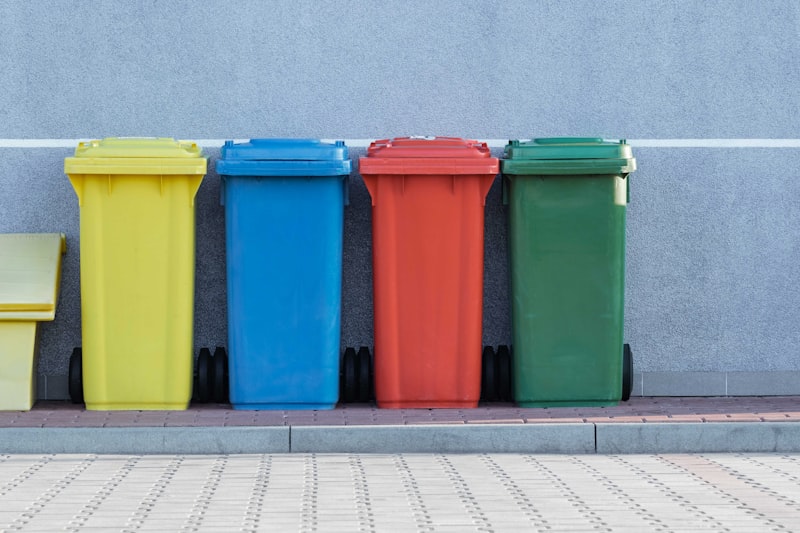
Implement comprehensive waste separation systems that capture value from all waste streams. Compost organic matter to create nutrient-rich soil amendment. Separate materials for proper recycling streams. Identify local facilities that accept hard-to-recycle items like electronics, batteries, and textiles.

Key Takeaways:
- Product selection determines circular potential before purchase
- Repair skills are essential for keeping products in use longer
- Sharing systems reduce individual consumption needs
Supporting Circular Businesses
Your purchasing power can drive the transition to a circular economy by supporting businesses that embrace circular principles. These companies are redesigning products, services, and business models to eliminate waste and create value from materials that would otherwise be discarded.
Product-as-a-Service Models
Companies like Philips (lighting), Interface (carpeting), and Mud Jeans (clothing) offer products as services rather than one-time purchases. These business models incentivize manufacturers to create durable, repairable products since they retain ownership and responsibility throughout the product lifecycle.
Remanufacturing and Refurbishment
Support companies that remanufacture products to original equipment manufacturer standards. Caterpillar remanufactures engines and components, while Apple offers certified refurbished devices. These products typically cost 30-50% less than new items while maintaining quality and warranty protection.
Circular Supply Chains
Choose businesses that use recycled materials, implement take-back programs, and design for disassembly. Patagonia's Worn Wear program accepts used clothing for repair or recycling, while Dell incorporates recycled plastics in computer manufacturing. These companies demonstrate circular principles throughout their operations.
Local and Bioregional Businesses
Support local businesses that utilize local resources and serve local markets, reducing transportation impacts and strengthening community resilience. Bioregional businesses adapt products and services to local conditions and culture, creating more sustainable and appropriate solutions.
Circular Business Directory
Browse by Category:
Key Takeaways:
- Product-as-a-service models align manufacturer and customer interests
- Remanufactured products offer quality and sustainability at lower cost
- Local circular businesses strengthen community resilience
Product Lifecycle Assessment
Understanding product lifecycles helps you make informed decisions that maximize circularity. By considering the entire journey of products from raw materials to end-of-life, you can identify opportunities to reduce environmental impact and keep materials in circulation.
Material Selection and Extraction
Choose products made from renewable, recycled, or abundant materials. Consider the environmental impact of raw material extraction, including energy consumption, water usage, and ecosystem disruption. Materials like aluminum, steel, and glass have high recycling rates and can be recycled indefinitely without quality loss.
Manufacturing and Production
Consider the energy efficiency and environmental practices of manufacturing processes. Look for certifications like Cradle to Cradle, B Corporation, and Environmental Product Declarations that provide transparency about production impacts. Local manufacturing often reduces transportation emissions and supports local economies.
Use Phase Optimization
Maximize product utility through proper use, maintenance, and care. Energy-efficient products reduce environmental impact during use, while proper maintenance extends product lifespan. Consider sharing or renting products with low utilization rates to maximize their utility across multiple users.
End-of-Life Planning
Plan for product end-of-life before purchase by considering recyclability, repairability, and disposal options. Choose products with take-back programs, clear disposal instructions, or made from materials with established recycling streams. Avoid products with hazardous materials or complex material combinations that are difficult to separate.

Key Takeaways:
- Material selection determines circular potential from the start
- Manufacturing transparency helps identify truly circular products
- End-of-life planning should begin before purchase
Measuring Your Circular Economy Impact
Tracking your circular economy progress helps identify improvement opportunities and demonstrates the environmental benefits of your actions. These metrics and tools help quantify your impact and guide further optimization of your circular lifestyle.
Material Flow Analysis
Track materials entering and leaving your household to identify waste streams and circular opportunities. Measure the weight of different material categories (plastics, metals, organics, textiles) to understand your consumption patterns and identify reduction opportunities.
Circularity Indicators
Calculate your circularity percentage by dividing the weight of materials kept in circulation (reused, repaired, recycled) by total material consumption. Track metrics like repair rate, reuse frequency, and recycled content percentage to monitor progress over time.
Environmental Impact Assessment
Use life cycle assessment tools to calculate the environmental benefits of your circular actions. Compare the carbon footprint, water usage, and energy consumption of circular versus linear alternatives to quantify your environmental savings.
Circular Impact Calculator
Community and System Impact
Track the broader impact of your circular actions on your community and local economy. Measure how your choices influence others, create local jobs, and develop circular infrastructure. Document and share your experiences to help others adopt circular practices.
Key Takeaways:
- Material flow analysis reveals circular opportunities
- Circularity indicators provide measurable progress tracking
- Community impact amplifies individual circular actions
Putting It Into Practice
Your 5-Step Action Plan:
Audit Current Consumption
Track your purchases and waste for one month to understand your current linear patterns and identify circular opportunities. Document what you buy, use, and discard to establish baseline metrics.
Develop Circular Skills
Learn basic repair skills for common household items including clothing, electronics, and furniture. Take repair workshops, watch online tutorials, and practice on items you already own.
Build Circular Networks
Connect with local repair cafes, tool libraries, and sharing groups. Join online communities like Buy Nothing or Freecycle to facilitate local sharing and exchange.
Shift Purchasing Habits
Prioritize secondhand, refurbished, and circular products. Create a "buy nothing new" challenge for specific categories like clothing or electronics to build circular habits.
Measure and Optimize
Regularly track your circularity metrics and identify improvement opportunities. Share your progress with others to inspire and learn from their experiences.
Tools and Resources:
- Circularity Calculator - Measure your circular economy impact
- Waste Reduction Tracker - Track waste reduction progress
- Circular Audit Template - Comprehensive consumption tracking
- Repair Guide - Basic repair tutorials and resources
Start Your Circular Economy Journey Today
Embracing circular economy principles transforms your relationship with consumption and waste, creating systems that value resources and eliminate waste by design. Every circular choice contributes to a more sustainable, equitable, and resilient economy that benefits people and planet.
This Week's Challenge:
Choose one product category and commit to buying nothing new for 30 days, exploring secondhand, repair, and sharing alternatives instead.
What: Select clothing, electronics, or household goods category
How: Use secondhand stores, repair existing items, borrow or share when needed
Impact: Experience circular alternatives and build lasting habits
Continue Learning
Related Articles:
Zero Waste Living Guide
Comprehensive guide to reducing waste in your daily life through practical strategies and habit changes.

Sustainable Shopping Guide
Learn how to make environmentally conscious purchasing decisions and support sustainable businesses.

Sustainable Minimalism
Explore how minimalism and sustainability work together to reduce consumption and waste.